Who We Are
Who We Are
NourishED OT was created to support individuals navigating eating disorder recovery in the real world, outside of treatment centers, structured programs, and highly controlled environments. Recovery often becomes most challenging when a person returns to everyday routines after intensive care. This is where occupational therapy provides a unique and practical layer of support. Our mission is to bridge the gap between higher levels of care and outpatient life by offering sustainable, compassionate guidance that fits the demands of daily living.

Why OT
Occupational therapy supports recovery by focusing on how a person participates in daily life. OTs consider the full picture of a person’s routines, habits, roles, values, and the activities that bring purpose and meaning. This approach allows us to address not only the emotional and physical impacts of eating disorders but also the functional challenges that affect independence and quality of life. Through this holistic perspective, OT helps clients rebuild confidence, establish healthier patterns, and regain a sense of identity beyond the eating disorder.
How We Can Help
NourishED OT offers support in many practical areas of daily living, including:
Meal and snack support
Navigating challenging foods
Building sustainable daily routines and schedules
Grocery shopping, meal planning, and cooking
Sensory sensitivities or discomfort related to eating
Executive functioning skills such as planning, organizing, and initiation
Returning to school, work, hobbies, or meaningful activities
Social dining experiences and boundary-setting
Managing mealtime anxiety, rigidity, or overwhelm
Reconnecting with body cues and rebuilding autonomy

Therapist
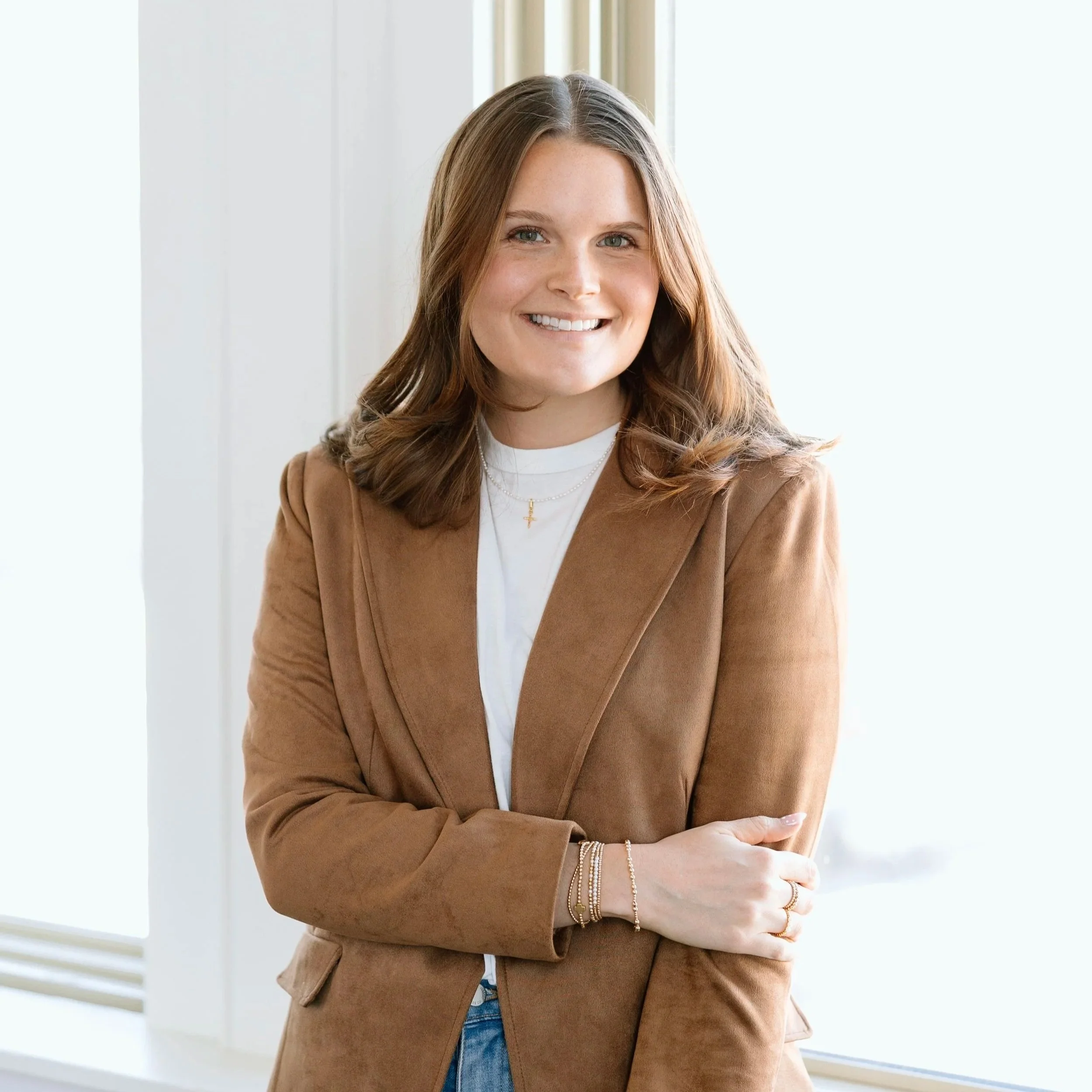
Abby Wagner graduated with her Doctor of Occupational Therapy from Rockhurst University in Kansas City in 2025 and has built her practice around a deep passion for supporting individuals in eating disorder recovery. Her work is guided by a strong belief that healing becomes most meaningful when it connects to real life, and she is dedicated to helping clients build the functional skills, routines, and confidence needed to navigate daily environments with greater ease.
Throughout her training and clinical experience, she developed a special interest in the unique intersection of mental health and meaningful occupation. This perspective allows her to support clients not only in rebuilding a healthier relationship with food, but also in re-engaging with the roles, habits, and activities that give life structure and purpose. She strives to create a safe, collaborative space where each person feels genuinely supported, understood, and empowered in their recovery journey.